Confused by disposal quotes? Notting Hill pricing explained
Posted on 02/06/2026
If you have ever stared at a disposal quote and thought, "Why does this look so high?", you are not alone. In Notting Hill, where access can be awkward, parking is tight, and flats often sit above shops or up narrow stairs, pricing can feel a bit mysterious at first glance. The good news is that most quotes are built from a handful of understandable parts. Once you know what they are, the whole thing becomes much less frustrating.
This guide breaks down Confused by disposal quotes? Notting Hill pricing explained in plain English. You will see what affects the cost, why two quotes can differ so much, how to compare them properly, and when a quote is genuinely good value rather than just cheap on paper. If you are sorting a clearance in W11, whether it is a flat, a shop, a garden, or a full property, this should make the next step a lot clearer.
For broader context on the local area and how it shapes property and living patterns, you may also find these related reads useful: living in Notting Hill from a local point of view and buying property in Notting Hill wisely. Different topic, same reality: in this part of London, logistics matter.

Why Confused by disposal quotes? Notting Hill pricing explained Matters
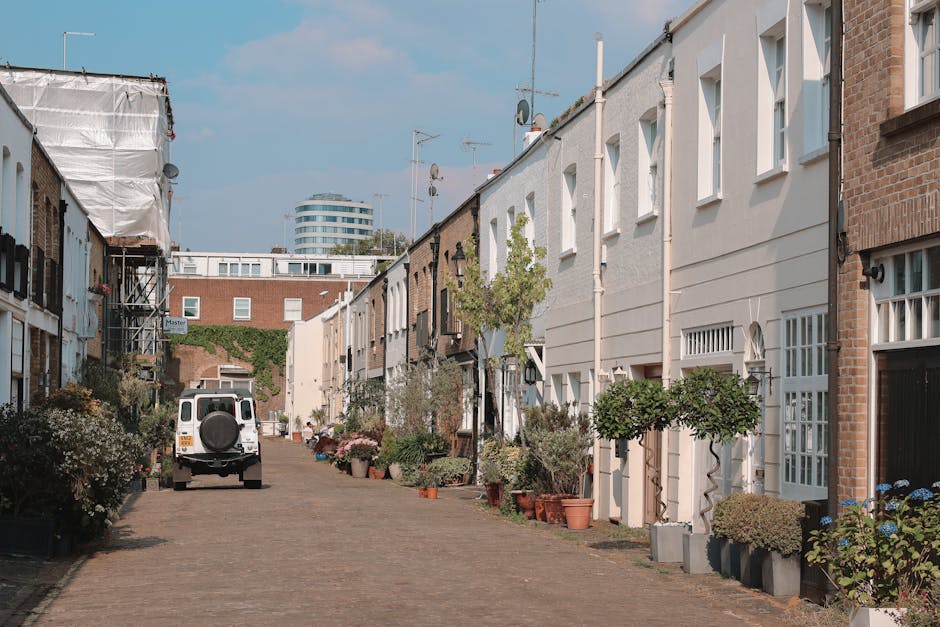
Disposal quotes are not just numbers; they are decisions. A bad read on a quote can mean paying too much, getting hit by add-ons later, or choosing a cheaper option that turns out to be poor value. In Notting Hill, that risk is slightly higher because the local built environment tends to complicate simple jobs. Think basement flats, shared entrances, controlled parking, and stair-only access. Lovely to live around, not always lovely to clear, to be fair.
The reason pricing matters so much is that disposal work combines labour, transport, sorting, and lawful disposal. A quote is really a snapshot of how a provider expects to manage all four. If any one of those pieces is underestimated, the final price can change. That is why a quote that looks "too good" often raises more questions than reassurance.
It also matters because disposal work is not the same as a quick lift-and-tip service. The right provider should be considering safety, access, recycling potential, item type, and likely time on site. If you are arranging a clear-out after a move, renovation, rental turnover, or office closure, getting the quote right first saves time, stress and awkward surprises. Nobody wants to be halfway down the stairs with a sofa and then discover the quote was based on "easy access only".
If you want to explore service categories before comparing prices, the services overview is a helpful starting point, and the dedicated page on pricing and quotes can also help you understand how structured estimates are usually presented.
How Confused by disposal quotes? Notting Hill pricing explained Works
Most disposal quotes are built from a few core elements. Once you know them, you can compare quotes much more confidently. The exact format varies by company, but the logic is usually familiar.
1. Volume or load size
This is the biggest driver in many cases. Providers often estimate how much of a vehicle your waste will fill, or how much time and labour the load will take. A single mattress and a few bags will price very differently from a full flat clearance. It sounds obvious, but it is the bit people often underdescribe when asking for quotes.
2. Type of waste
General household waste, mixed rubbish, builders' rubble, green waste, electrical items, and furniture can all require different handling. Some items are straightforward; others need extra sorting or specialist disposal. For example, plasterboard and heavy rubble usually change the calculation more than a bag of old clothes does. If your job includes mixed waste, that can nudge the quote up.
3. Access and labour
In Notting Hill, this can be the silent price-shifter. A ground-floor pickup with a clear driveway is one thing. A top-floor flat with no lift, tight turning space, and a parking challenge is another. A team may need more time, more people, or a vehicle positioned further away. If you have ever carried boxes down four flights while dodging a half-open bike lock, you already know why this matters.
4. Time on site
Some quotes are based on a fixed estimate of how long the job will take. If the waste is piled in multiple rooms, sorted in difficult spots, or mixed with items that need separating, the time can increase. That extra time is not always dramatic, but it adds up.
5. Disposal and recycling costs
Reputable providers usually factor in lawful disposal, handling fees, and recycling routes. A lower quote that skips this part may not be a bargain at all. A transparent estimate should make it clear that disposal is accounted for properly.
6. Minimum charge or vehicle dispatch
There is often a minimum price to cover sending a team and vehicle out, even if the load is small. This is normal. In practical terms, it means a tiny collection may not be priced proportionally lower than you expect.
For local property owners and landlords, these factors often overlap with planning decisions. If you are preparing a home for sale or tenancy, related reading such as listing homes in Notting Hill can be useful because it highlights how presentation and timing influence the whole job, not just the disposal line item.
Key Benefits and Practical Advantages
A clear disposal quote does more than tell you the price. It helps you manage the job properly. That matters whether you are clearing a family flat, a small office, or a shop unit near Portobello Road.
- Better budgeting: you can plan around the real cost rather than a guess.
- Fewer surprises: a good quote should reduce the risk of add-ons later.
- Faster decisions: clear pricing makes it easier to compare providers.
- More suitable service match: the quote helps show whether you need light rubbish collection, a full clearance, or something more specialised.
- Improved trust: a provider who explains their pricing usually communicates more clearly throughout the job.
There is also a practical emotional benefit. Once the pricing makes sense, the whole task feels less heavy. A room full of unwanted stuff can feel oddly stressful, even when it is just furniture and bags. Clear pricing takes some of that pressure away. Not all of it, but enough.
If sustainability matters to you, it is also worth asking how much of the load may be reused or recycled. A provider with a sensible approach to sorting can often make the job cleaner and more responsible. You can read more about that through the site's recycling and sustainability information.
Who This Is For and When It Makes Sense
Disposal quotes are relevant to more people than you might think. You do not need a dramatic building project or a huge house clearance to need one.
- Homeowners clearing old furniture, clutter, or renovation waste.
- Tenants wanting to leave a property tidy and avoid last-minute stress.
- Landlords and letting agents dealing with end-of-tenancy clearances or forgotten items.
- Businesses removing office furniture, filing, or packaging waste.
- Trades and renovators needing builders' waste disposal after a project.
- Garden owners dealing with cuttings, soil, and green waste after a tidy-up.
It makes sense any time you need a reliable cost before agreeing to removal. That includes jobs that seem "small" but are awkward, like a bulky sofa from a top-floor flat, or a few heavy items from a mews property with limited parking. In Notting Hill, access can make a small-looking job feel rather bigger in practice.
For a more specific local scenario, this guide on flat clearance stairs, access and costs around Notting Hill Gate gets into the kind of detail many people forget to ask about.
Step-by-Step Guidance
Here is the simplest way to approach a disposal quote without getting lost in the details.
- List what needs removing. Be honest and specific. Include furniture, bags, appliances, rubble, garden waste, and anything awkwardly heavy.
- Note the access conditions. Mention stairs, lifts, parking, loading distance, locked gates, and whether the property is on a busy road.
- Separate what must stay. This sounds basic, but it prevents costly mistakes. Mark items clearly if needed.
- Ask how the quote is calculated. Is it based on load size, time, item type, or all three?
- Check what is included. Labour, disposal, congestion or parking-related logistics, and VAT if applicable should all be clear.
- Ask about extra charges. Common ones include heavy items, difficult access, same-day timing, or additional waste discovered on arrival.
- Compare like for like. A cheaper quote that excludes disposal is not the same as a fully inclusive one.
- Confirm timing and arrival expectations. This helps avoid wasted time, especially if you are juggling a move, contractor schedule, or end-of-tenancy deadline.
A practical tip: if you can send photos, take them in daylight and include the whole room plus close-ups of bulkier items. Morning light near a Notting Hill window is usually better than trying to photograph a dark hallway at 7pm. Tiny detail, but it helps. Quite a lot.
Expert Tips for Better Results
Once you understand the basics, a few small habits can save you real money and hassle.
- Be precise about volume. "A few bags" and "a van load" are not the same thing. If you can estimate how much space the waste occupies, do it.
- Flag stairs early. In W11, stairs are often the difference between a tidy quote and a messy one.
- Ask for an itemised explanation. Not every provider will give a formal breakdown, but they should still explain the main components.
- Book with realistic timing. Same-day work can be useful, but it may come with a premium if the team is reorganising the day around you.
- Sort what you can beforehand. Separating recycling, reusable furniture, and pure rubbish can improve efficiency.
- Think beyond price. A slightly higher quote may be better if it includes careful handling, faster turnaround, or responsible disposal.
One small but useful habit: ask, "What would make this quote change on the day?" That single question often tells you more than ten minutes of back-and-forth. And it is a fair question. Any decent provider should be able to answer it plainly.
For wider context on service quality, insurance and risk management, the pages on insurance and safety and about us are worth a look if you want to understand the standards behind the service.

Common Mistakes to Avoid
Most pricing problems come from assumptions. Easy to make, annoying to fix.
- Comparing only the headline price. The cheapest quote may exclude disposal, labour, or access issues.
- Understating the amount of waste. If the team arrives and finds much more than expected, the quote can rise.
- Forgetting about access. Stairs, parking, and loading distance are not small details in Notting Hill. They are pricing details.
- Not asking what is prohibited or restricted. Certain items may need special handling, which changes the cost.
- Leaving everything to the last minute. Rush jobs can still be done, but timing pressure often narrows your options.
- Ignoring the terms. A quote is not the whole agreement. Check the booking conditions and cancellation rules as well.
It is also worth avoiding the trap of treating a quote like a fixed promise when you have barely described the job. If the provider has not seen the space, heard about the access, or been told about heavy or mixed waste, then the number is only ever a best estimate. That is normal. The key is whether they explain it clearly.
Tools, Resources and Recommendations
You do not need fancy tools to get a better disposal quote. A phone and a decent sense of what is being removed will do most of the work.
- Photos and short videos: helpful for showing room contents, access points, stairs, and bulky items.
- A simple item list: write down furniture, bags, boxes, appliances, and specialist items.
- Measurements: rough sizes can help for large items such as wardrobes, beds, and desks.
- Questions list: keep a few standard questions ready so you compare providers consistently.
Recommended reading on the site includes the broader waste removal in Notting Hill page, the more specific house clearance in Notting Hill page, and the local office clearance service. If your job is more specialised, you might also look at builders' waste disposal or garden waste removal depending on the type of material involved.
For practical local timing and collection context, these posts can help: waste collection on Westbourne Grove, fast rubbish removal tips for Portobello Road traders, and emergency rubbish removal after a flat clearance in W11.
Law, Compliance, Standards and Best Practice
When disposal work involves waste removal, compliance is not optional. You do not need to be a legal expert, but you should expect the provider to handle waste lawfully and responsibly. In plain English, that means they should know where the waste is going, how it is being managed, and what happens to anything that can be reused or recycled.
Good practice usually includes clear pricing, safe lifting methods, careful handling of access routes, and proper disposal arrangements. If a job includes potentially hazardous or restricted material, it should be treated with extra care. For the customer, the main job is to ask sensible questions and avoid assuming that every waste stream is the same. It is not.
It is also sensible to check the provider's terms, privacy information, payment security, and general service conditions before booking. That might sound a bit dry, but it protects everyone. The pages on terms and conditions, privacy policy, payment and security, and cookie policy are useful if you want a fuller picture of how the website and booking process are handled.
For residents and businesses in the area, sustainability matters too. Choosing a provider that prioritises reuse and recycling where appropriate is a sensible best practice, not just a nice extra. And yes, it usually feels better when the job ends with less heading to landfill.
Options, Methods and Comparison Table
Different disposal jobs call for different approaches. The right choice depends on what you need moved, how quickly it must go, and how tricky the access is.
| Method | Best for | Typical strengths | Things to watch |
|---|---|---|---|
| Small rubbish collection | Bags, light clutter, a few items | Fast, simple, often convenient | May have a minimum charge |
| Full waste removal | Mixed household waste, bulkier loads | Flexible and broad in scope | Access and load size affect price |
| House clearance | Whole rooms, flats, estates | Suitable for larger or emotional clear-outs | Needs detailed item and access information |
| Office clearance | Desks, chairs, files, office clutter | Useful for business moves or closures | Timing and building access can be sensitive |
| Builders' waste disposal | Renovation debris, rubble, offcuts | Designed for heavier, messier material | Can cost more due to weight and sorting |
| Garden waste removal | Cuttings, soil, branches, green waste | Good after pruning or landscaping | Moist, heavy, or mixed loads can change pricing |
This table is a useful shorthand, but the real answer depends on your actual waste and the route the team has to take through the property. A small pile of heavy rubble can be more work than a large pile of light cardboard. Weird, but true.
Case Study or Real-World Example
Picture a two-bedroom flat near the edge of Notting Hill. The owner is moving out and needs a mix of furniture, kitchen bits, old books, and some leftover packaging removed. Nothing dramatic, just a busy clear-out that has built up over time. The first quote they receive is fairly low, but it was based on "general items only" and assumed easy access. No stairs mentioned, no parking note, no bulky wardrobe listed.
Then they send clearer photos. The provider spots that the flat is up two long flights, the wardrobe is awkward, and the access is more difficult than expected. The revised quote is higher, but it is also more realistic. In that moment, the quote is not "more expensive" in the bad sense. It is simply more honest about the job.
Now imagine the opposite. Another provider gives a slightly higher quote from the start, but it includes labour, disposal, and the likely access effort. On the day, the team turns up on time, finishes without drama, and leaves the property ready for handover. The second quote looked less exciting on paper, yet it probably saved stress and back-and-forth. That happens a lot, honestly.
The lesson is simple: an accurate quote is usually better than an optimistic one. Especially in Notting Hill, where the building itself often decides how easy the job will be.
Practical Checklist
Use this before you accept any disposal quote.
- Have I listed everything that needs removing?
- Have I included stairs, lifts, parking, and loading access?
- Do I know whether the quote is fixed, estimated, or load-based?
- Are labour and disposal clearly included?
- Have I asked about extra charges for heavy or awkward items?
- Do I understand the timing, arrival window, and cancellation terms?
- Have I compared this quote with another provider on the same basis?
- Does the provider seem clear, practical, and willing to explain the pricing?
- Have I checked any sustainability or recycling approach if that matters to me?
Expert summary: In most cases, the best disposal quote is not the lowest number. It is the one that reflects the actual job, explains what is included, and stays stable when the team arrives. That is the version that saves time, money, and a fair bit of annoyance.
Get a free quote today and see how much you can save.
Conclusion
If disposal quotes have felt confusing, the main thing to remember is this: the price is usually driven by volume, access, waste type, labour, and lawful disposal. Once you can see those pieces, the quote stops feeling mysterious and starts feeling manageable. In Notting Hill, that clarity matters even more because the local housing stock and street layout can change the effort involved quite quickly.
So ask direct questions, share clear photos, mention the stairs, and compare like for like. That approach gives you a better chance of getting a fair, realistic price rather than a vague one. And if a quote still feels odd, trust that instinct. A good provider should be able to explain it without fuss.
There is something reassuring about a clear plan, especially when a room or flat is full of things that need to go. One step at a time. That is usually enough.

Copyright © . House Clearance Notting Hill. All Rights Reserved.