Emergency rubbish removal after a flat clearance in W11
Posted on 14/05/2026
Emergency rubbish removal after a flat clearance in W11: a practical guide for fast, tidy, stress-free clearance
If you have just finished a flat clearance and the place still looks like a small mountain range of furniture, bagged waste, broken bits, and mystery items, you are not alone. Emergency rubbish removal after a flat clearance in W11 is often needed for the moments no one plans for: a sale moving faster than expected, a tenancy ending sooner than hoped, an urgent renovation handover, or a property that simply has to be made presentable today, not next week. In a busy part of West London, delays can snowball quickly. The good news? With the right approach, the mess can be cleared calmly and properly, without turning the day into a panic-fuelled scramble.
This guide breaks down how emergency clearance works, what to expect, what to avoid, and how to choose a sensible next step. Along the way, you will also find practical links to related services such as house clearance support in Notting Hill, waste removal in W11, and the wider services overview if you want to see how the pieces fit together. Let's face it, when a flat needs to be emptied fast, you want clarity more than clever marketing.
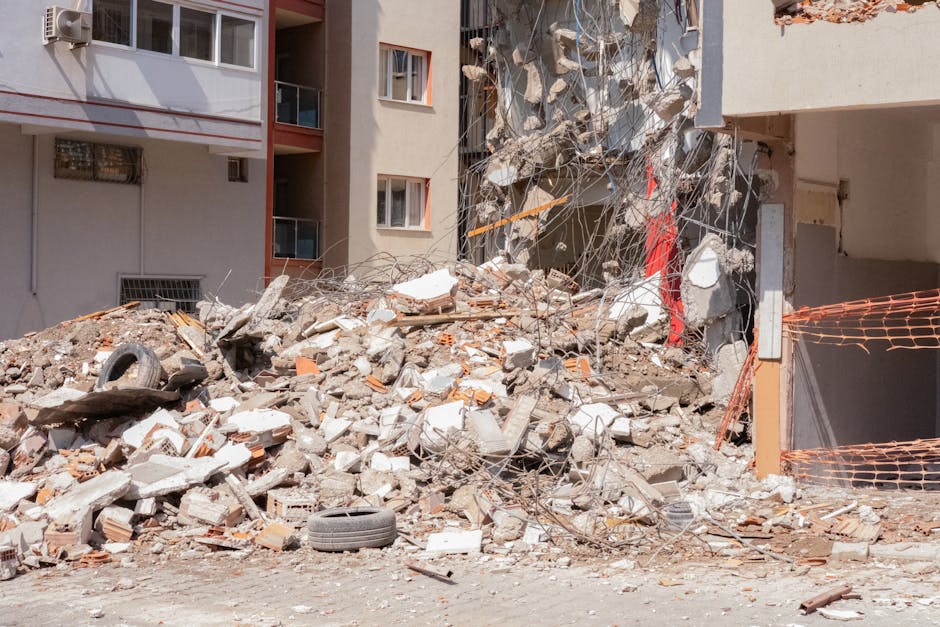
Why Emergency rubbish removal after a flat clearance in W11 Matters
A flat clearance is rarely just "moving out a few things." In many W11 homes, it means dealing with bulky furniture, mixed household waste, old appliances, textiles, cardboard, bagged rubbish, and the odd item that has been lurking behind a wardrobe for years. If the clearance is time-sensitive, every extra hour matters. A landlord may be waiting for keys, an agent may have a viewing booked, or a family member may need the property ready after a difficult event. In those situations, waste sitting in the hallway is not a minor inconvenience. It can block access, create safety risks, and make an already stressful job feel impossible.
Emergency rubbish removal is not just about speed, either. It is about restoring order quickly and responsibly. That means removing items in a way that is safe for the building, considerate to neighbours, and in line with normal UK waste-handling expectations. In a place like W11, where flats often sit in converted terraces, mansion blocks, or compact stairwells, carrying items out without damaging walls, floors, or communal areas is a real skill. A rushed job done badly tends to create a second job, and nobody needs that.
There is also the emotional side. Clearing a flat after a breakup, a bereavement, or a difficult tenancy can feel heavy. A quick, well-managed rubbish removal service helps reduce that pressure. It gives you one less thing to think about and, truth be told, that matters more than people often admit.
For readers who want to understand the wider local context, the area itself has a particular rhythm. Articles like this look at Notting Hill's calmer side and local insight on living in Notting Hill help explain why fast, considerate clearance services are so useful here. Streets are busy, access can be tight, and neighbours are often close by.
How Emergency rubbish removal after a flat clearance in W11 Works
At a practical level, emergency rubbish removal usually follows a simple pattern. You explain what needs clearing, how urgent it is, what access the property has, and whether there are awkward items like mattresses, wardrobes, white goods, or mixed waste. From there, the team decides what vehicle, crew size, and time slot are needed. If the situation is genuinely urgent, the priority is often same-day or next-available collection.
The process normally starts with a quick assessment. Sometimes this happens from photos or a short call, especially if you are trying to move quickly. Other times a site visit is more sensible, particularly where there is a lot of volume or unusual access. In a flat clearance, details matter. Is there a lift? Are there narrow stairs? Is parking easy or a bit of a faff? Can the team access the building without disturbing neighbours or blocking the road? These small things affect how smoothly the job will go.
Once the plan is set, the crew removes the waste, separates any recyclable material where possible, and loads everything safely. Good operators do not just throw things in the back and disappear. They check what can be reused, what can be recycled, and what needs specialist handling. If you are comparing service types, the distinction between rubbish collection and broader waste removal can be useful. A collection might be perfect for smaller loads, while a flat clearance emergency may need a more complete clear-out.
In some cases, the service extends beyond the obvious rubbish. For example, if the flat contains renovation debris, you may need support similar to builders waste disposal in Notting Hill. If the property has a neglected courtyard or overgrown outside space, then garden waste removal may also be relevant. It is rarely one single category of waste, which is why a proper assessment matters.
Key Benefits and Practical Advantages
The obvious benefit is speed. But there are several others that are easy to overlook until you are in the thick of it.
- Fast restoration of space: You get the flat back to a usable, saleable, rentable, or handover-ready condition.
- Less physical strain: Flat clearances often involve heavy lifting, awkward angles, and too many stairs. A professional team takes that burden off you.
- Safer handling: Broken furniture, sharp metal, old glass, and damp materials can all become hazards if handled badly.
- Cleaner results: A good clearance leaves the property ready for cleaning, valuation, or the next trade.
- Better waste sorting: Recyclables and reusable materials are more likely to be separated sensibly.
- Lower stress: This one is hard to quantify, but very real. Having a clear plan can calm the whole situation down.
There is also a local advantage in W11. Streets around Portobello Road, Westbourne Grove, and nearby residential pockets can be busy at the worst possible times. A team that knows how to work around parking, access, and timing can make the difference between a smooth removal and an awkward, delayed one. If your clearance is tied to a trading or public-facing property, the context becomes even more important; for that reason, the local insights in Portobello Road rubbish removal tips for traders and waste collection hacks for Westbourne Grove can be surprisingly relevant.
Practical takeaway: the best emergency rubbish removal is not simply the fastest. It is the fastest option that still protects the building, respects the neighbours, and leaves the flat properly clear.
Who This Is For and When It Makes Sense
Emergency rubbish removal after a flat clearance in W11 makes sense for a surprisingly wide range of people. It is not just for people who have left everything until the last minute, although, to be fair, that is one common reason. It is also for anyone facing a hard deadline or an unexpected change.
You may need it if:
- you are handing a flat back to a landlord or letting agent today
- you are preparing for a sale, valuation, or open viewing
- you are managing a probate clearance with tight time pressure
- you have contractors arriving for renovation work
- you need to clear shared spaces after tenants move out
- you are dealing with a sudden accumulation of waste after a failed move
- you are responsible for a property in W11 and need the place made safe quickly
It also suits people who simply do not have the capacity to do the lifting themselves. Flats in the area can come with narrow access, flight after flight of stairs, and nowhere sensible to park a van. If you are looking at a sofa wedged half-down a stairwell at 8:30 in the morning, you will quickly see the value of proper help. Not glamorous, but very real.
For landlords, estate agents, and sellers, the need can be even more immediate. A clear flat photographs better, smells fresher, and gives a much better impression during a viewing. If the property is part of a sales journey, the resources on listing homes in Notting Hill and buying property wisely in Notting Hill offer helpful background on why presentation matters so much locally.
Step-by-Step Guidance
Here is the simplest way to handle an urgent flat clearance without losing the thread.
- Identify what must go now. Separate emergency waste from items that can wait. If you try to clear everything emotionally, the job gets bigger fast.
- Take quick photos. A few clear pictures of each room, the stair access, and larger items will help speed up the quote and planning.
- List any awkward items. Mention appliances, mattresses, glass, paint tins, electronics, or anything heavy and unusual.
- Check access and parking. Note whether there is a lift, permit need, narrow entrance, or tight loading area.
- Choose a service level. Smaller loads may suit collection; a fuller clear-out may need a broader waste removal or house clearance approach.
- Confirm timing. Ask for the earliest realistic slot, not just the fastest promise.
- Prepare the route. Move keys, keep hallways clear, and warn neighbours if needed. A small courtesy helps a lot.
- Request responsible disposal. Make sure the team can explain how different waste types will be managed.
- Do a final sweep. Once the items are gone, check cupboards, under beds, behind doors, and in the loft or storage cage if relevant.
A useful little habit: keep one empty bag or box for "must keep" items before the team arrives. Passports, documents, keys, chargers, medication, sentimental things. That small step saves the classic panic of discovering important papers under a pile of old magazines. Happens all the time, honestly.
Expert Tips for Better Results
If you want the clearance to go smoothly, a few small decisions make a disproportionate difference.
1. Be specific about what is urgent
"Clear the flat" sounds simple, but urgency is often about only part of the contents. Maybe the bedroom and hallway have to be emptied today, while the kitchen can wait until tomorrow. The more specific you are, the better the team can plan the job.
2. Sort valuables and documents before the crew arrives
This is one of those boring bits that saves headaches later. Cash, ID, jewellery, tenancy paperwork, and personal letters should be secured first. Even if you think the flat is already empty, one last check is worth it.
3. Ask how the waste will be separated
You do not need a lecture on recycling. But you should know whether the team is likely to separate reusable items, wood, metal, electronics, and mixed household waste sensibly. That is part of choosing a provider you can trust.
4. Plan around local access realities
In W11, parking and access are often the hidden bottlenecks. If a van cannot stop nearby, the clearance takes longer. If the stairwell is tight, bulky items may need dismantling. Good planning removes much of the drama.
5. Keep one eye on what is left behind
After an emergency clearance, the obvious clutter is gone and everyone relaxes. Then someone spots the box on top of a wardrobe or the bag hidden in a cupboard. Do a final slow walk-through. Better now than later.
If you are dealing with a property that has multiple waste types, you may also want to look at office clearance support if the flat includes work items, or the company's wider recycling and sustainability approach if reducing landfill is important to you. Small details, but they add up.
Common Mistakes to Avoid
Urgent clearances can go sideways for very ordinary reasons. The good news is that most of them are avoidable.
- Leaving the booking too late: Emergency services are about speed, but they still need information. A vague last-minute request can slow things down.
- Not mentioning access issues: Stairs, lifts, road restrictions, and parking can affect the plan more than the waste itself.
- Forgetting mixed waste: A flat clearance often includes items that need different handling. Do not assume it is all one category.
- Skipping the final check: People often remember the spare room too late. Or the airing cupboard. Or the drawer with the passports in it. Very human, very common.
- Choosing on speed alone: A quick answer is good, but not if it comes with poor communication or sloppy handling.
- Overlooking building rules: Some blocks have practical rules around timings, lifts, noise, and communal areas. Ignoring them can create friction with neighbours or management.
A simple test: if a provider seems unwilling to ask questions, that is usually a warning sign. A proper emergency clearance should feel organised, not chaotic. Fast, yes. Chaotic, no.
Tools, Resources and Recommendations
You do not need specialist equipment to prepare for a clearance, but a few basic tools make a difference.
- Strong bin bags for separating items you are definitely keeping from items going out
- Marker pen and labels for marking personal belongings, keys, and documents
- Gloves if you need to sort through dusty cupboards or old storage boxes
- Phone camera for photos, quotes, and "before" documentation
- Tape or string for bundling loose wires, curtain poles, or soft furnishings
- Clear access route so the crew can work safely and quickly
For service planning, the most useful resources on the site are the pricing and quotes page, the about us page for background on the business, and the insurance and safety information if you want reassurance about how work is handled. You may also want to check payment and security details if you are arranging the job quickly and want to understand the admin side without any surprises.
Small recommendation from experience: keep a short written note of what was cleared, what was left, and what the agreed timing was. Nothing fancy. Just a simple record. It helps if there is a follow-up question later. And it often avoids that awkward "I thought that was included" conversation. Nobody enjoys that one.
Law, Compliance, Standards and Best Practice
Waste removal in the UK should always be handled responsibly. You do not need to become a legal expert to book a clearance, but it helps to understand the basics. In plain terms, waste should be collected, transported, and disposed of by people who act properly and keep clear records where required. If a provider is vague about disposal, recycling, or where waste goes, that is a reason to pause.
For household clearances in flats, best practice usually includes:
- safe manual handling and care around shared areas
- appropriate separation of recyclable and non-recyclable waste where practical
- respect for building access rules and neighbour comfort
- careful handling of electrical items, sharp objects, and bulky waste
- clear communication about what will be removed and what will remain
If the flat contains items that need extra caution, such as old electronics, fragile materials, or substances that should not be mixed with ordinary rubbish, tell the team in advance. That is not being fussy. That is sensible.
It is also worth remembering that flat clearances often touch on responsibility beyond the waste itself. If you are managing a tenancy, sale, or estate matter, you may need to coordinate with other people, which is where clear terms help. The site's terms and conditions and privacy policy can be useful for understanding how enquiries and bookings are handled. For broader reassurance about site accessibility and inclusivity, see the accessibility statement.
Best practice in one line: choose a team that treats emergency clearance as a safety and responsibility job, not just a loading exercise.
Options, Methods, and Comparison Table
Not every urgent clearance needs the same solution. Sometimes you need a full clearance crew. Sometimes a smaller collection is enough. The choice depends on volume, time pressure, access, and the type of waste.
| Option | Best for | Pros | Limits |
|---|---|---|---|
| Small rubbish collection | A few bags, a mattress, or limited household waste | Quick, simple, often ideal for tight spaces | Not suitable for full flat clearances |
| Full waste removal | Mixed waste from multiple rooms | Handles larger, more complex loads | May need more time and access planning |
| House clearance service | Full or near-full property clear-outs | Best for major urgency and end-to-end handling | More involved, so a bit more coordination |
| Specialist waste disposal | Builders debris, heavy renovation waste, or awkward materials | Better for unusual waste types | May not cover general household clutter on its own |
If you are unsure which route fits best, start with the wider service pages and work backwards from the amount of material, not the label. A lot of people think they need one service, then realise the job is actually larger or smaller than they first imagined. That is normal. Use the actual pile, not the worry, as your guide.
Case Study or Real-World Example
Picture a flat off a busy W11 street on a wet Tuesday morning. The tenancy has ended early, the landlord wants the property ready for cleaners that afternoon, and there are two wardrobes, a bed base, several sacks of mixed waste, and a pile of cardboard that has somehow doubled overnight. The hallway is narrow, the lift is out of service, and the front steps are slick from the rain. Classic.
In that sort of scenario, the most useful approach is not to start by dragging everything out at once. First, the crew would identify the bulkiest items, check the route down the stairs, and decide whether anything should be dismantled before lifting. Then mixed waste bags would be cleared first to open space, followed by furniture, then any remaining loose bits. If there were recyclables, they would be separated where practical rather than thrown into the nearest pile. The result is not just an empty flat; it is a property that can actually be handed over without last-minute chaos.
What makes the difference here is calm sequencing. One room at a time. One load at a time. That approach sounds obvious, but in a time crunch it is very easy to rush straight into the biggest item and create a blockage. A sensible team will often work in the opposite order, clearing the pathway before tackling the awkward stuff. Small decision, big payoff.
That kind of working rhythm is especially useful in W11, where a clearance can sit between residential calm and city-level pace. One minute everything is quiet, the next a van needs to be unloaded without upsetting half the street. Local awareness really does matter.
Practical Checklist
Use this checklist before an emergency flat clearance. It keeps the day tidy in your head, which is half the battle.
- Confirm exactly what must be removed today
- Take photos of rooms, access points, and bulky items
- Set aside valuables, documents, and sentimental items
- Note stairs, lifts, parking, and any building restrictions
- Tell the team about heavy, sharp, or unusual waste
- Check whether you need collection, waste removal, or a full house clearance
- Make hallways and entrances as clear as possible
- Confirm timing and payment details before the job starts
- Ask what happens to recyclable items
- Do a final walk-through after the clearance
If you are working to a tight deadline, it can help to keep this checklist open on your phone and tick things off one by one. Nothing fancy. Just practical.
Conclusion
Emergency rubbish removal after a flat clearance in W11 is really about turning a stressful, time-sensitive mess into a manageable job. The best results come from clear information, realistic timing, safe lifting, and a provider that understands both the waste and the local environment. In a neighbourhood like Notting Hill, where access and presentation matter, that combination is worth a lot.
Whether you are dealing with a sudden move-out, a property handover, or the aftermath of a clearance that uncovered more than expected, the key is not to overcomplicate it. Focus on what needs to go, what needs to stay, and what can be handled responsibly. Then let the right team do the heavy lifting. Simple as that, really.
For a smoother next step, review the wider service options, check the pricing and quotes information, and make sure you are comfortable with the company's safety standards. A little preparation goes a long way.
Get a free quote today and see how much you can save.


Copyright © . House Clearance Notting Hill. All Rights Reserved.