Notting Hill Gate flat clearance: stairs, access, costs
Posted on 06/05/2026
Flat clearance in Notting Hill Gate can look straightforward on paper, then suddenly the reality arrives: a third-floor walk-up, a narrow communal stairwell, no lift, a tight parking space, and a sofa that seemed smaller in the showroom. If you are trying to understand Notting Hill Gate flat clearance: stairs, access, costs, you are probably weighing up three things at once: how difficult the job will be, what access is actually available, and what that means for the final price.
This guide breaks the whole process down in plain English. You will see how access affects planning, why stairs matter so much, how local logistics influence cost, and what a professional clearance should include. We will also cover practical steps, common mistakes, and the questions people usually forget to ask until the day of the job. To be fair, that is when those questions matter most.
If you are also thinking about related clearance services, it can help to look at the broader services overview and the main house clearance in Notting Hill service page so you can compare what is included before you book.
Why Notting Hill Gate flat clearance: stairs, access, costs Matters
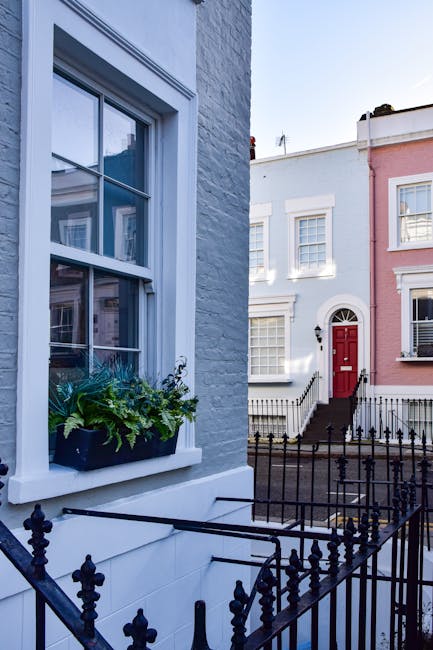
Notting Hill Gate has the kind of housing stock that keeps clearance teams on their toes: period conversions, mansion blocks, maisonettes above shops, and flats tucked behind busy streets with limited loading options. A clearance is not just a question of "how much stuff is there?" It is also about how that stuff gets out of the property safely and legally.
Stairs change the job. Access changes the job. And both change the cost.
A flat on the first floor with a lift and nearby parking will usually be quicker and easier to clear than a top-floor walk-up with a long carry to the truck. That does not mean the latter is impossible. It just means the team has to plan more carefully, allow more labour time, and sometimes use more hands or equipment. In other words, the "same" clearance can become a very different job depending on the building.
For local homeowners, landlords, executors, estate agents, and tenants at the end of a tenancy, this matters because a poorly planned clearance can cause avoidable delays and surprise charges. And nobody wants that awkward moment where the van is waiting outside, the communal door is too tight for a wardrobe, and everyone is doing that little silent look at the staircase. You know the one.
It is also relevant if you are preparing a property for sale or letting. A clean, empty flat photographs better and tends to feel calmer during viewings. If you are in that stage, the local advice in listing homes in Notting Hill and how to purchase wisely in Notting Hill real estate may help you understand how presentation and timing affect decisions.
How Notting Hill Gate flat clearance: stairs, access, costs Works
A proper flat clearance usually starts before anyone lifts a chair. First comes the assessment. A good provider will ask about the floor level, lift access, stair width, parking, road restrictions, item volume, heavy furniture, and whether the property is in a controlled building with entry rules. That information shapes the plan.
Here is the basic flow:
- Initial enquiry: You describe the property, what needs removing, and any access limitations.
- Access check: The team identifies stairs, lifts, communal corridors, loading points, and parking constraints.
- Quote and timing: The price is based on volume, labour, access difficulty, disposal requirements, and any specialist handling.
- Arrival and walkthrough: The team confirms the route, notes fragile areas, and agrees what is going.
- Removal and sorting: Items are moved out carefully, with separation for reuse, recycling, and disposal where appropriate.
- Final sweep: The clearance is completed and the space is left tidy, subject to the agreed scope.
In practical terms, stairs affect labour time. A narrow stairwell can slow down furniture removal. A building without a lift may require more carrying, more pauses, and extra care around walls and bannisters. Access affects vehicle positioning too. If the van cannot park close enough, the carrying distance increases. That adds time, and time adds cost.
Costs are usually influenced by a mix of:
- Volume: how much needs to be cleared.
- Weight: especially for heavy items like wardrobes, white goods, or bags of books.
- Access difficulty: stairs, lift availability, narrow entrances, and long carries.
- Waste type: general household items, electricals, bulky waste, builders' debris, or mixed waste.
- Labour: how many staff and how long the clearance will take.
- Disposal costs: what has to be taken to a licensed facility.
If you are comparing services, the local pricing and quotes page is worth reading because it helps set expectations about what a quote should cover and what information improves accuracy.
Key Benefits and Practical Advantages
A well-organised flat clearance is not just about getting rid of clutter. Done properly, it gives you headspace, saves time, and reduces the risk of damage in a building where every corner seems to have a story. In Notting Hill Gate, that is not a small thing. These properties are often compact, characterful, and a bit awkward in the best possible way.
The main benefits are simple:
- Less stress: someone else handles the lifting, sorting, and hauling.
- Safer removal: trained teams are less likely to damage stairwells, doors, or furniture.
- Faster turnaround: useful if you are between tenants, completing a sale, or reopening a flat for work.
- Better planning: you know what is going, what is staying, and what the price is likely to include.
- More responsible disposal: reusable and recyclable items can be separated where possible.
There is also a practical emotional benefit that people do not always mention. Clearing a flat after a move, bereavement, separation, or long tenancy can feel heavy. Having a clear, calm process helps. No dramatic speeches, just sensible support at the right time.
If sustainability matters to you, you may also want to read about the company's approach to recycling and sustainability. A modern clearance should not treat everything as rubbish if some items can be reused, recycled, or handled more responsibly.
Who This Is For and When It Makes Sense
This kind of service makes sense for a wide range of people. In fact, the list is broader than many expect.
- Homeowners clearing a flat before sale, renovation, or a move abroad.
- Landlords dealing with end-of-tenancy contents left behind.
- Letting agents who need a property turned around quickly.
- Executors and family members managing an estate with care and time pressure.
- Tenants who have accumulated bulky items, old furniture, or unwanted household contents.
- Buy-to-let investors preparing a flat for refurbishment or relaunch.
It is especially relevant when stairs and access make DIY clearance unwise. A ground-floor flat is one thing. A top-floor conversion with a tight stair bend and no parking is another. Truth be told, even strong people underestimate what repeated carrying does to the body after a few trips.
It also makes sense if you are dealing with mixed clearance needs. For example, a flat might contain general furniture, some office equipment, and a few bags of builders' waste after a light refurbishment. In that case, it helps to understand the broader waste services offered locally, including waste removal in Notting Hill and builders' waste disposal in Notting Hill.
Step-by-Step Guidance
If you want the job to run smoothly, a little preparation goes a long way. Here is a practical, realistic sequence that works well for most Notting Hill Gate flats.
1. Walk the property before you book
Check the stairwell, lift, corridor width, front door clearance, and whether any large items will need dismantling. A quick look at the route can reveal problems before they become expensive ones. I have seen people assume a wardrobe would "just fit" only to discover the landing turns are unforgiving. Old buildings can be lovely. They can also be stubborn.
2. Separate what should stay and what should go
Put aside keys, passports, paperwork, jewellery, chargers, medications, and anything personal. Then mark clearly what is to be removed. If you are not sure, label it. It is boring, yes, but it saves mistakes.
3. Share access details honestly
Tell the team about timed entry, concierge rules, parking permits, loading restrictions, lift bookings, and any narrow stairs or uneven steps. A careful provider will appreciate the detail. It helps them send the right number of people and avoid last-minute chaos.
4. Ask how pricing is built
Good quotes are usually based on access, volume, labour, and disposal. If something may increase time on site, ask whether it changes the price. Better to know before the van arrives than to have a tense conversation in the hallway.
5. Confirm what happens to reusable items
Not every clearance is pure disposal. Some furniture, electricals, books, and household items may be suitable for reuse or recycling depending on condition and local handling options. Ask how the company separates materials and where possible donations or recycling fit in.
6. Make the route clear on the day
Move pets, park if you can, and keep the access path open. If there are fragile items in shared spaces, mention them. Small things matter. A clear route saves time and reduces bumps and scrapes.
7. Do a final check before sign-off
Walk through the flat once the job is finished. Confirm what has been removed and whether anything was intentionally left behind. This final check avoids awkward misunderstandings later.
Expert Tips for Better Results
Here are the little details that often make the biggest difference.
- Measure large items early. If a sofa, bed base, or wardrobe is oversized, knowing the dimensions helps decide whether dismantling is needed.
- Be realistic about stair access. If the stairwell is narrow, a "simple" clearance may not be simple at all.
- Book with building constraints in mind. Managed blocks, concierge desks, and limited loading bays can all slow things down.
- Ask for timing guidance. Morning access is often easier than later in the day, especially near busy roads.
- Think in categories. Household contents, appliances, and rubbish may need different handling.
- Keep communication direct. A quick, honest description of the property is much more useful than a polished guess.
One useful local insight: in areas around Notting Hill Gate, parking and access can be the silent cost driver. Not glamorous, not exciting, but absolutely real. A quote that ignores this may look cheaper at first glance and then feel less friendly on the day. Nobody enjoys surprises like that.
If your property is near a shopfront, office space, or mixed-use building, it may also help to look at office clearance in Notting Hill or, for street-facing traders, the practical tips in Portobello Road rubbish removal fast tips for traders.

Common Mistakes to Avoid
Most clearance headaches are preventable. The problem is that they usually look small right up until they are not.
- Underestimating stairs: A few flights can significantly change labour time.
- Hiding access issues: If the lift is broken or the loading bay is awkward, say so early.
- Leaving sorting until the last minute: This slows everything down and can increase costs.
- Forgetting building rules: Some blocks require booked lift use or advance notice for removals.
- Assuming all waste is the same: Electricals, heavy waste, and mixed rubbish may not be handled identically.
- Choosing only on price: The lowest quote can become the most expensive if it excludes key work or access time.
Another common mistake is not checking insurance and safety practices. If items must be carried through communal areas, you want a provider that treats the building with care. That is especially true where walls are tight, stair rails are delicate, or the property has older finishes. A bit of caution goes a long way.
You can also review the company's approach to insurance and safety before booking. It is one of those unglamorous pages that can save you a lot of worry.
Tools, Resources and Recommendations
You do not need a toolkit the size of a removal depot, but a few simple things make the process much smoother.
- Measuring tape: useful for doors, stair turns, and large furniture.
- Marker pens and labels: ideal for separating keep, clear, sell, and donate piles.
- Phone photos: take quick pictures of stair access, parking, and bulky items when asking for a quote.
- Storage boxes or bags: for personal paperwork and valuables.
- Basic cleaning supplies: handy for a final sweep after clearance.
For planning and budgeting, the most useful resources are usually the service pages and trust pages that explain how the company works. The following can help you get a clearer picture before you book:
- About the team for background and service approach.
- Pricing and quotes for what affects the estimate.
- Recycling and sustainability for responsible handling.
- Accessibility statement if you are thinking about access and usability more broadly.
- Payment and security if you want to understand payment confidence before proceeding.
If you are clearing after a move or alongside property marketing, these local articles can also be useful background reading: the peaceful charm of Notting Hill, insights from locals, and wisely buying in the area. Different angle, same neighbourhood realities.
Law, Compliance, Standards, or Best Practice
Any flat clearance that involves waste should be handled with care and in line with UK expectations for responsible disposal. While the exact responsibilities depend on the situation, a trustworthy provider should use licensed waste routes and avoid fly-tipping or unclear disposal chains. That part is not negotiable.
Best practice normally includes:
- Clear identification of what is being removed before the job starts.
- Responsible segregation of recyclable or reusable items where practical.
- Safe handling of bulky items so communal areas are not damaged.
- Appropriate disposal routes for general waste, electricals, and bulky materials.
- Transparent pricing terms so the customer understands what is included.
If you are comparing providers, you can also check the company's terms and conditions and privacy policy. Those pages may not be thrilling reading over tea, but they do tell you a lot about how professionally a business operates.
For customers with specific access needs, there is a nice practical overlap between clearance planning and the broader idea of making a service genuinely usable. That is why an accessibility statement can matter more than people expect. It shows the business has thought about user needs beyond the obvious.
Options, Methods, or Comparison Table
There are usually a few ways to handle a flat clearance. The right one depends on your timeline, budget, and how awkward the access is. Here is a simple comparison.
| Method | Best for | Pros | Limitations |
|---|---|---|---|
| DIY clearance | Small volumes, easy access, minimal heavy items | Lowest direct cost if you already have transport | Slow, physically demanding, disposal still needs planning |
| Partial professional clearance | Mixed jobs where you want help with bulky items only | Reduces heavy lifting and saves time | You still need to sort or move some items yourself |
| Full flat clearance | End-of-tenancy, sale, probate, or full emptying | Fast, comprehensive, less stress | Higher cost than DIY, especially with stair access issues |
| Specialist clearance with access challenges | Top-floor flats, narrow stairwells, no lift, restricted parking | Safer and usually more efficient than trying to improvise | Access complexity can increase price |
In Notting Hill Gate, full professional clearance is often the most sensible choice when stairs and access are a headache. It is not just about convenience. It is about avoiding damage, delays, and a lot of extra lifting in tight spaces. Let's face it, one badly planned trip up and down a stairwell can ruin a whole afternoon.
Case Study or Real-World Example
Imagine a second-floor flat near Notting Hill Gate with no lift, a narrow entrance hall, and a few large items: a double bed, two wardrobes, a sofa, a dining table, several boxes of books, and mixed household contents from a long tenancy. On the surface, this looks like a standard clearance. Once the team arrives, the route tells a different story.
The stairwell has a sharp turn halfway up. The wardrobes will not pass intact. The sofa needs two people to guide it safely. Parking is available, but not right outside, so the carry distance is longer than expected. In this sort of situation, the team may need to dismantle furniture, work in a set sequence, and allow extra labour time.
The lesson is not that the job is difficult. The lesson is that access detail changes the plan, and the plan changes the quote. A customer who mentions the stair bend and the parking issue in advance usually gets a more accurate estimate and a calmer experience on the day. Small detail, big difference.
That is also why local context matters. A flat above a shop, a mansion block, and a period conversion can all sit within a short walk of each other, yet the clearance logistics can be completely different. Same neighbourhood. Very different job.
Practical Checklist
Use this checklist before your flat clearance booking. It will save time later, honestly.
- Confirm the exact address and floor level.
- Check whether there is a lift and whether it is usable on the day.
- Measure large furniture and note any narrow stair turns.
- Find out about parking, loading bays, permits, and time restrictions.
- Separate valuables, paperwork, and items you want to keep.
- Take photos of access points and bulky items for the quote.
- Ask what types of waste are included in the price.
- Check whether dismantling furniture is included or extra.
- Ask about recycling, reuse, and disposal routes.
- Confirm the expected arrival time and any building access rules.
- Review payment terms before the job starts.
- Do a final walkthrough after clearance is complete.
If you are still at the planning stage, it can help to cross-reference your needs with the company's rubbish collection in Notting Hill page too, especially if the job is smaller than a full clearance.
Conclusion
Notting Hill Gate flat clearance is really a logistics question disguised as a simple removal job. Stairs, access, parking, item type, and building rules all shape how the work is done and what it costs. Once you understand those moving parts, the whole process becomes much easier to manage.
The best outcomes usually come from honest access information, a clear scope, and a provider that plans carefully rather than guessing. That is the difference between a rushed, stressful day and one that feels organised from the first phone call to the final sweep.
Whether you are clearing a flat for sale, dealing with a tenancy change, or making a difficult property easier to move on from, the right preparation pays off. Little things matter. A measured quote, a clear stair route, a realistic timeline. They all add up.
Get a free quote today and see how much you can save.
If you want a service that treats access, safety, and practical detail with proper care, start with a clear enquiry and build from there. It is usually the easiest way through.

Copyright © . House Clearance Notting Hill. All Rights Reserved.