Ladbroke Grove estate clearances: W11 council guidance
Posted on 22/05/2026
Ladbroke Grove estate clearances: W11 council guidance for residents, landlords and executors
Ladbroke Grove estate clearances in W11 tend to happen at busy, stressful moments: after a bereavement, before a tenancy change, during a downsizing move, or when a property needs to be prepared quickly and properly. The work may sound straightforward, but the real challenge is doing it in a way that is respectful, lawful, organised, and aligned with local expectations. That is where W11 council guidance matters.
If you are clearing a flat off Ladbroke Grove, a maisonette near Portobello, or a larger family home in the W11 area, the right approach can save time, reduce risk, and prevent avoidable issues with waste, access, parking, recycling, or neighbour complaints. This guide explains what estate clearance usually involves, how to handle it responsibly, and what to consider before booking a service. You will also find practical steps, a comparison table, a checklist, and answers to the questions people ask most often.
For readers comparing service options across the area, it can also help to review the wider services overview and the dedicated house clearance in Notting Hill page to see how local clearance work is typically handled.
Why Ladbroke Grove estate clearances: W11 council guidance Matters
Estate clearances are not just a matter of taking items away. In W11, the practical details matter just as much as the lifting itself. Streets can be tight, parking can be limited, and properties often sit in buildings where shared hallways, controlled access, and neighbour sensitivity all shape how a clearance should be planned. A rushed clearance can create unnecessary disruption; a well-managed one feels calm, efficient, and discreet.
Council guidance is important because it helps you think beyond the property boundary. Items may need to be sorted for reuse, recycling, or disposal. Larger volumes may require careful loading and the right vehicle access. Some materials are not suitable for ordinary mixed waste disposal. And if you are dealing with an estate after a death, there may also be emotional and legal considerations alongside the practical work.
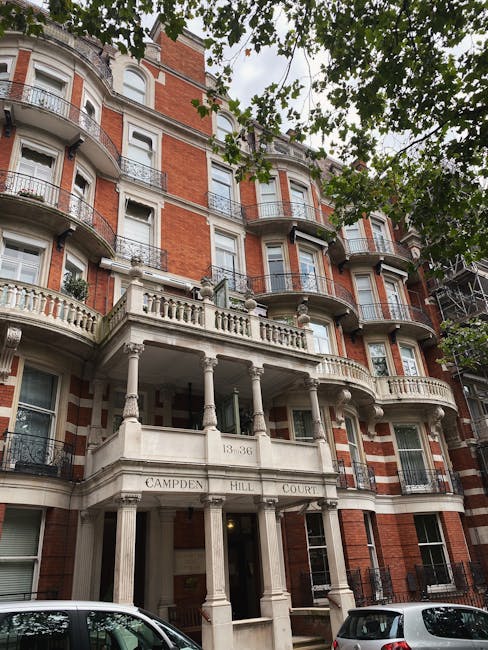
Another reason this matters is reputation and trust. Families, landlords, managing agents, and solicitors usually want work done professionally. That means leaving the property secure, avoiding damage to shared areas, and ensuring waste is handled responsibly. In a neighbourhood like Ladbroke Grove, where properties often sit within close-knit streets and mansion blocks, those details are not optional.
It is also worth noting that people often underestimate how much has to be decided before the first item leaves the building. What should be kept? What can be donated? What is confidential? What needs special handling? A sound clearance plan gives those questions structure, so you are not making them up on the day while standing in a half-emptied room.
If you are also thinking about the wider environmental side of the process, the page on recycling and sustainability is a useful companion read.
How Ladbroke Grove estate clearances: W11 council guidance Works
In practical terms, an estate clearance follows a fairly simple sequence, but each stage needs care. The aim is to remove unwanted contents efficiently while keeping the process respectful, safe, and compliant with local expectations.
First, the property is assessed. That may be a quick look at a flat, a video walkthrough, or a more detailed visit if the home contains furniture, white goods, mixed household items, books, clothing, documents, or unusual waste. The assessment helps identify access constraints, likely labour requirements, and whether any items need separating before removal.
Next comes sorting. This is where a good clearance is won or lost. Items are usually divided into categories such as:
- retain and return to family or owner
- sell or value separately, if appropriate
- donate or reuse where possible
- recycle
- dispose of as general waste or specialist waste
After sorting, the team plans removal. In W11, timing can be important. A weekday clearance may have different access conditions from a weekend one, and some buildings have rules about lift use, loading bays, or quiet hours. If parking or loading is awkward, planning in advance prevents delays and reduces friction with neighbours or building management.
Finally, there is the clearance itself: loading, transport, and responsible processing of items. Good practice includes protecting floors and communal areas, handling heavy items safely, and ensuring the site is left tidy. In estate work, the end result should not just be "everything gone"; it should be a property that is ready for the next step, whether that is sale, letting, refurbishment, or handover.
Where a clearance forms part of a larger move, refurbishment, or property preparation plan, it can help to review related services such as rubbish collection in Notting Hill or waste removal in Notting Hill so the work is coordinated rather than pieced together at the last minute.
Key Benefits and Practical Advantages
A well-managed estate clearance offers more than convenience. It creates order at a time when there may be very little of it.
- Speed without chaos: A structured approach removes items efficiently without turning the property into a mess halfway through the process.
- Less stress for families and executors: Clear decision points make it easier to handle belongings thoughtfully.
- Better compliance: Proper sorting supports recycling, safe disposal, and sensible handling of unwanted items.
- Reduced risk of disputes: A documented process helps avoid confusion about what was kept, removed, or donated.
- Cleaner handover: Estate agents, landlords, and solicitors usually prefer a property that is fully cleared and ready.
- Neighbour-friendly execution: Quiet, tidy, planned clearance work is much less disruptive in a dense urban area.
There is also a quieter benefit that people often appreciate only after the fact: decision relief. When a property has accumulated years of contents, every room can feel like a small project. A professional clearance turns that into a sequence of manageable choices. That is a very different experience from trying to do everything in one exhausting weekend with a few borrowed gloves and a growing pile of "I'll sort it later."
For property owners or executors who are also evaluating the local area from a housing perspective, the related articles on living in Notting Hill and listing homes in Notting Hill offer useful context around the wider property journey.
Who This Is For and When It Makes Sense
Estate clearance is not only for bereavement cases, although that is one of the most common reasons. In Ladbroke Grove and the wider W11 area, it can make sense for several groups:
- Executors and relatives handling a deceased estate
- Landlords preparing a rental property after a tenancy change
- Homeowners downsizing or moving abroad
- Solicitors and agents coordinating property handover
- Probate professionals who need the home cleared before valuation or sale
- Property investors working on refurbishment or resale
It makes sense when the contents are too much for ordinary household disposal, when the property needs to be emptied quickly, or when sentimental, legal, or practical issues make the process difficult to handle alone. It also makes sense when access is awkward. A crowded staircase, a top-floor flat, or a building with restricted loading is usually a poor fit for a casual DIY attempt.
A good rule of thumb: if the job involves lifting heavy furniture, separating mixed waste, or making judgement calls about documents and personal items, it is worth planning properly rather than improvising. The smoother the plan, the less likely you are to miss something important.
Step-by-Step Guidance
If you want the process to go smoothly, break it into clear stages. That is the difference between a controlled clearance and a very long day with too many bin bags.
- Identify the objective. Are you clearing for sale, probate, renovation, or end of tenancy? The goal affects what stays, what goes, and how fast it needs to happen.
- Walk through the property room by room. Note furniture, appliances, paperwork, valuables, fragile pieces, and anything potentially hazardous.
- Separate priority items first. Documents, jewellery, family photographs, keys, cash, medication, and legal paperwork should be secured before removal begins.
- Check access and restrictions. Look at parking, entry codes, lift use, loading space, and any building rules. In W11, this can save a surprising amount of time.
- Decide what can be reused or donated. This keeps the process efficient and supports better environmental outcomes.
- Arrange the right service. A clearance team should understand estate work, not just generic rubbish removal.
- Confirm insurance and safety arrangements. Ask how floors, walls, and communal spaces are protected.
- Schedule the clearance at the right time. Choose a slot that reduces disruption and gives you time to make final decisions.
- Review the cleared property. Check cupboards, loft spaces, sheds, and hidden storage before final sign-off.
- Keep a simple record. For probate or property administration, a written note of what was removed and what was kept can be very helpful.
If waste includes mixed builders' debris, old fixtures, or items left behind after refurbishment, you may also find builders waste disposal in Notting Hill useful alongside the main clearance plan.
Expert Tips for Better Results
Good estate clearances are rarely about speed alone. They are about decisions made early. That is the real trick.
1. Sort paperwork before anything else
Paper trails matter. Bank letters, tenancy files, insurance records, utility bills, and legal correspondence can all be buried in drawers or filing cabinets. Once they are mixed into general waste, recovering them becomes a headache no one needs.
2. Make a "do not remove" zone
Set aside one room, cupboard, or clearly labelled corner for items that must not be touched without approval. This is particularly useful where several relatives, beneficiaries, or professionals are involved.
3. Keep the emotional items separate
A clearance moves faster when sentimental decisions are not made in the middle of loading a van. Pull aside photographs, letters, keepsakes, and items of unclear ownership first. You can decide more calmly afterwards.
4. Ask about reuse before disposal
Some furnishings, books, kitchenware, and household items can often be passed on or recycled. Even if not everything can be reused, it is worth asking. The local sustainability angle is often stronger than people expect.
5. Plan for awkward items
Pianos, wardrobes, large mirrors, freezers, and water-damaged furniture need specific handling. If a piece looks simple but is awkward in a narrow hallway, it is probably not simple.
6. Treat building rules seriously
Shared entrances, caretaker instructions, and parking restrictions are not admin fluff. They are part of the job. A good clearance team respects them, and that helps keep everyone on side.
For traders and residents dealing with busy local streets, the article on fast rubbish removal tips for traders on Portobello Road offers a useful perspective on practical collection discipline in high-footfall areas.

Common Mistakes to Avoid
Most problems come from rushing, guessing, or failing to separate the clearance from the rest of the life admin. A few predictable mistakes show up again and again.
- Starting without a room-by-room plan. This usually leads to duplicated effort and missed items.
- Assuming everything can go in one load. Different items may need different handling.
- Forgetting to protect the property. Scuffed walls and damaged flooring can become an avoidable cost.
- Mixing sentimental items with waste too early. Once they are gone, they are gone.
- Ignoring access and parking. This can delay the job and increase disruption.
- Not asking for clarity on what happens to removed items. Responsible processing matters.
- Leaving sensitive documents unsecured. This is a basic but very common oversight.
One of the biggest errors is treating estate clearance like ordinary rubbish removal. It is not the same thing. Estate work often involves judgment, discretion, and coordination with other professionals. That is especially true in probate-related cases, where timing and documentation may matter as much as logistics.
Tools, Resources and Recommendations
Even if you are using a professional service, a few simple tools make the process smoother and safer.
- Labels and marker pens: For marking keep, donate, dispose, and review piles.
- Strong bags and boxes: Useful for books, paperwork, smaller household items, and keepsakes.
- Gloves and basic PPE: Helpful for dusty lofts, garages, and older storage spaces.
- Phone camera: A quick photo record can help with inventory and decision-making.
- Notebook or checklist: Keeps the process tidy when several people are involved.
- Basic measuring tape: Useful if items might be moved into storage or reused elsewhere.
For service comparison, it is sensible to review the local pricing and quotes information before making a decision. If safety, handling, and property protection are priorities, the insurance and safety page is also worth reading. And if you want to understand the team behind the work, the about us page adds helpful context.
People often focus on the vehicle and forget the planning. In reality, the paperwork, access notes, and sorting decisions are what make a clearance feel organised rather than chaotic. The van is just the last step.
Law, Compliance, Standards, or Best Practice
This topic can touch several areas of UK practice, so caution matters. While estate clearance is not usually complicated from a legal perspective, there are still standards and responsibilities worth keeping in mind.
Waste should be handled responsibly. That means using appropriate disposal routes, separating recyclable material where possible, and not leaving controlled waste in the wrong place. Councils generally expect household waste and bulky waste to be presented and handled properly, and local rules may apply to parking, loading, and street use.
Probate and estate administration may involve records. If you are an executor, it can be wise to keep a basic inventory of important items removed from the property. This is not a formal legal substitute, but it helps with transparency and administration.
Safety should not be improvised. Heavy lifting, sharp edges, mould, broken glass, and damaged furniture can all create risks. A competent service should have procedures for safe handling and appropriate insurance arrangements. That is not red tape; it is common sense.
Privacy matters. Estate contents often include bank details, letters, IDs, and personal documents. Confidential waste should be managed carefully, not treated as ordinary rubbish.
Respect for neighbours and building management counts. In shared buildings, quiet access, tidy loading, and timely removal are part of professional practice. If you are working in a managed block, it is usually better to notify the building manager before the clearance rather than after the lift has already become a bottleneck.
If you want to understand broader site expectations and policies, the pages on terms and conditions, privacy policy, and accessibility statement may be useful, especially when booking or coordinating services online.
Options, Methods, or Comparison Table
There is more than one way to handle an estate clearance. The best option depends on time, access, property condition, and how much sorting is needed.
| Approach | Best for | Pros | Limitations |
|---|---|---|---|
| DIY clearance | Very small jobs with minimal contents | Low upfront cost, full control | Time-consuming, physically demanding, easy to miss recycling or access issues |
| Partial clearance with family support | Properties with sentimental items and some manageable furniture | Good for deciding what to keep, some cost savings | Can become emotionally tiring, coordination needed |
| Professional estate clearance | Full or complex clearances, probate, tight deadlines | Efficient, organised, safer, more discreet | Cost depends on volume, access, and complexity |
| Clearance plus waste removal service | Mixed household waste, bulky items, or post-renovation clean-outs | Flexible, useful for combined jobs | May need clearer scheduling and item sorting |
For a lot of W11 properties, the most sensible option is usually the one that reduces stress without cutting corners. That might be a professional clearance for the bulky items, followed by a smaller family-led review of keepsakes. There is no medal for making the process harder than it needs to be.
Case Study or Real-World Example
Consider a typical W11 scenario: a first-floor flat near Ladbroke Grove needs to be cleared after a long tenancy and before refurbishment. The property contains a sofa, dining set, wardrobes, several boxes of mixed household items, books, some old kitchen equipment, and a number of papers left in drawers.
The family or landlord starts by identifying what must be kept. Utility paperwork, spare keys, and a small box of personal items are separated first. The rest is assessed room by room. Heavy furniture is flagged for safe removal, while books and household goods are sorted into recycling, reuse, or waste. Because the building has narrow access and shared stairs, the clearance is scheduled for a time that avoids peak neighbour traffic and keeps disruption low.
The result is not just an empty room. It is a property that can be measured for works, photographed for marketing, or handed over without delay. More importantly, nothing important is accidentally removed, and the communal spaces are left clean. That kind of outcome sounds ordinary, but it is exactly what people want when the process begins feeling a bit overwhelming.
For nearby homeowners or sellers looking at the broader area context, the local reads on the peaceful charm of Notting Hill and buying property wisely in Notting Hill can help frame the wider property journey around the clearance itself.
Practical Checklist
Use this checklist before booking or starting the clearance.
- Confirm why the property is being cleared and who has authority to decide.
- Identify items that must be kept, sold, donated, or reviewed later.
- Gather paperwork, keys, and any valuables separately.
- Check building access, parking, lift use, and time restrictions.
- Ask how floors, walls, and shared areas will be protected.
- Clarify whether recycling, donation, or special waste handling is included.
- Make sure the team understands probate or estate sensitivities if relevant.
- Take photos or notes if you need a record of contents removed.
- Review the final cleared property, including cupboards and storage spaces.
- Keep copies of any quotes, confirmations, and disposal notes you are given.
Practical summary: A successful estate clearance in Ladbroke Grove is usually the one that feels planned, not rushed. If you sort priorities first, respect access rules, and choose a service that understands local conditions, the rest becomes much easier.
Conclusion
Ladbroke Grove estate clearances need more than brute force. They need judgement, organisation, and an understanding of how W11 properties actually work in practice. Council guidance, local access constraints, waste handling expectations, and the sensitive nature of estate work all point in the same direction: plan carefully, sort responsibly, and keep the process respectful from start to finish.
Whether you are an executor, landlord, homeowner, or agent, the best outcome is the one that leaves the property ready for its next chapter without creating avoidable problems along the way. That means thinking ahead, asking the right questions, and using a service that knows the difference between a quick tidy-up and a proper estate clearance.
Get a free quote today and see how much you can save.


Copyright © . House Clearance Notting Hill. All Rights Reserved.