From hoard to home: W11 flat clearance success story
Posted on 19/10/2026
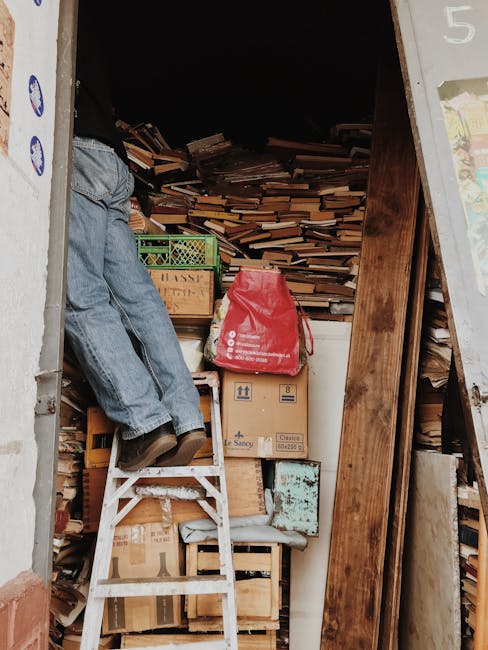
There's a particular kind of flat that tells its own story before you even step inside. A narrow hallway lined with old boxes. A kitchen you can only half-open the door to. A lounge that has slowly become storage for everything that was "too good to throw away". In W11, where period flats, busy roads and tight stairwells can make any move or clear-out feel more complicated than it should, the journey from hoard to home is often part practical project, part emotional reset.
This article looks at the From hoard to home: W11 flat clearance success story in a grounded, useful way. What does a successful flat clearance actually involve? Why does it matter so much in a neighbourhood like Notting Hill? And how do you get from overwhelmed to organised without making a mess of the whole thing? Let's get into the real detail, minus the fluff.
Why From hoard to home: W11 flat clearance success story Matters
Flat clearance is not just about removing unwanted items. In W11, it often means restoring liveability to a property that has become hard to use, hard to clean, or frankly hard to breathe in. That might be after years of accumulation, a tenancy ending, probate, downsizing, or a sudden life change. The practical side is obvious, but the emotional side matters too. A cluttered flat can make people feel stuck. Clearing it well can feel like someone finally opened the windows.
There's also a local angle. W11 properties often come with stairs, limited parking, shared entrances, and neighbours who would really rather not have a skip blocking the road all week. So a good clearance is not simply "get rid of stuff". It's planning, timing, access management, sorting, lifting, transport, and proper disposal. That combination is what turns a stressful job into a success story.
And to be fair, not every clearance starts neatly. Sometimes the room itself is the problem. Sometimes it's the sheer volume. Sometimes it's the fact that every drawer has a random history lesson in it. The point is: a methodical approach changes the whole experience.
How From hoard to home: W11 flat clearance success story Works
A successful W11 flat clearance usually follows a simple but disciplined process. The exact scale will vary, but the logic stays the same: assess, sort, remove, clean up, and leave the property ready for its next use.
1. Initial assessment
This is where the job becomes real. You walk through the flat, note access points, staircase turns, parking restrictions, bulky items, fragile items, and any potential risks such as damp, mould, broken furniture, or sharp waste. A good assessment saves time later. It also reduces those awkward mid-job surprises that nobody enjoys.
2. Sorting and prioritising
Not everything needs to go in one sweep. Items are usually divided into groups: keep, donate, recycle, sell, and dispose. In some cases, paperwork, valuables, sentimental items, and sensitive documents are separated first. That's especially important if the flat contains a long history of possessions. One overlooked envelope or photo album can matter more than a whole pile of old magazines.
3. Safe removal
Then comes the physical work. Large furniture, old mattresses, boxes, electrical items, bags of mixed waste, and sometimes awkward items from basements or loft spaces all need moving carefully. In W11, that can mean tight hallways, awkward front steps, and the occasional neighbour trying to squeeze past with a pram and a shopping bag. It happens.
4. Responsible disposal and recycling
What leaves the flat should be handled properly. Reusable items may be redirected, recyclable materials separated, and general waste disposed of through appropriate channels. If the clearance service is organised well, this stage does more than empty the flat; it reduces waste and avoids unnecessary landfill use. A thoughtful clearance is usually a cleaner one too.
5. Final sweep and handover
Once the main items are gone, there is often a final check for hidden clutter, floor debris, forgotten drawers, or anything tucked behind wardrobes. This is where the difference between "cleared" and "properly cleared" becomes obvious. The room should feel usable again, not just empty.
Key Benefits and Practical Advantages
A well-run flat clearance brings more than visible space. The benefits can be practical, financial, and surprisingly emotional. Here's what people usually notice first.
- Better use of space: Rooms become functional again, which is especially valuable in compact W11 flats.
- Less stress: A lot of people feel lighter once the clutter has gone. Simple, but true.
- Safer living conditions: Clearer floors and walkways reduce trip hazards and make cleaning easier.
- Easier property sale or letting: Empty, tidy spaces tend to photograph better and present more clearly.
- Less disposal hassle: You avoid trying to solve transport, lifting, and sorting all at once.
- Better recycling outcomes: A planned clearance can separate reusables from genuine waste.
There's a quieter benefit too: emotional momentum. Once one room is cleared, people often feel capable again. That matters more than it sounds. A lot more, actually.
Expert summary: The best flat clearance is not the fastest one, or the one that looks dramatic on the day. It's the one that leaves the property safer, cleaner, and easier to live in, without creating extra problems later.
Who This Is For and When It Makes Sense
This kind of clearance makes sense for a wide range of people, not just those dealing with severe clutter. In practice, the same service can help very different situations.
- Homeowners preparing to sell: Clearing a flat before viewings can make a property feel bigger and more appealing.
- Landlords and letting agents: End-of-tenancy or abandoned-item clearances often need quick, tidy turnaround.
- Families handling probate: When a loved one's flat needs sorting, sensitivity matters as much as speed.
- People downsizing: Smaller homes require careful decisions about what stays and what goes.
- Tenants under time pressure: When a move-out date is close, a structured clearance can save a lot of last-minute stress.
- Anyone facing accumulated clutter: Sometimes the flat is still lived in, but the clutter has got ahead of daily life.
It also makes sense if you've already tried clearing it yourself and realised the job is bigger than a weekend. Truth be told, a lot bigger. There is no shame in that. Some flats need a method, not a motivational speech.
Step-by-Step Guidance
If you want a flat clearance to go smoothly, the process should be broken into sensible stages. Skipping ahead usually creates more work later. Here's a straightforward approach.
- Walk through the property room by room. Note what is staying, what is being removed, and anything fragile or hazardous.
- Identify priority items first. Legal papers, sentimental belongings, medicines, keys, and valuables should be separated early.
- Decide what can be reused or recycled. It is often easier to make these decisions before the removals start.
- Plan access. Check stair width, lift access, parking, loading points, and any building rules.
- Book the removal at the right time. Try to choose a slot that suits neighbours, building access, and your own schedule.
- Clear in sections. One room, or one category, at a time keeps the job manageable.
- Do a final inspection. Check cupboards, behind doors, inside drawers, and under beds. The hidden stuff is always the sneaky bit.
If the property is particularly full, it can help to label bags and boxes before anything is moved. Simple labels like "keep", "bin", and "review later" save time and reduce mistakes. Not glamorous, but effective.
Expert Tips for Better Results
Here are the practical habits that tend to make the biggest difference. None of them are complicated, which is part of the point.
Start with the easy wins
Begin with obvious rubbish, broken items, and duplicates. That creates space quickly and makes the rest less intimidating.
Protect the keep pile
Set aside a secure area for documents, sentimental items, and anything you are unsure about. Keep those items separate, not mixed into general sorting piles.
Think about access before moving anything
In a W11 flat, access can be half the battle. A sofa that looks manageable in the living room may be a nightmare on the staircase. Measure first if needed. It sounds basic, but you'd be surprised how often it saves the day.
Use short time blocks
If you are doing any part of the clearance yourself, work in focused bursts. Ninety minutes can be more productive than a whole exhausted afternoon. After that, fatigue kicks in and people start making messy decisions.
Take photos before and after
Not just for records, but for motivation. A quick photo can show progress that your eyes, in the middle of the chaos, stop noticing.
Plan for the aftermath
Don't leave the flat empty and unfinished. Arrange cleaning, minor repairs, or follow-up waste removal if needed. A neat finish matters.
Common Mistakes to Avoid
A lot of clearance problems are avoidable. They usually come from rushing, underestimating, or trying to handle everything in one go. Here are the usual traps.
- Underestimating volume: What looks like "a few bags" may actually be multiple van loads.
- Ignoring access issues: Narrow stairs, no lift, or restricted parking can change the whole plan.
- Mixing valuable items with waste: Once they're gone, they're gone. Check carefully before disposal.
- Failing to sort hazardous items: Paint, chemicals, sharps, and damp materials need extra care.
- Leaving paperwork unchecked: Important documents often hide in ordinary-looking piles.
- Choosing the quickest option without checking standards: Fast is good, but only if disposal is handled properly.
A small but important one: don't keep "maybe" items for too long. A maybe pile can grow into a second hoard before you notice. Slightly rude of it, really.
Tools, Resources and Recommendations
Good tools do not need to be fancy. In most flat clearances, the useful items are the boring ones: gloves, strong sacks, labels, tape, a marker pen, a torch, and a phone camera. A dolly or furniture slider can help too, though in some stairwells you may still end up doing the awkward furniture shuffle. That's life.
For larger or more complicated clearances, it helps to have a few practical resources in place:
- Clear labelling system: Use simple category labels so nothing gets mixed up.
- Inventory list: Helpful for probate, landlord handovers, or family coordination.
- Protective gear: Gloves, sturdy shoes, and, where needed, masks for dusty or mouldy areas.
- Waste separation plan: Separate recyclables, electricals, and general waste if possible.
- Professional support: For bigger jobs, a service that understands access, timing, and disposal makes the process much easier.
If you are comparing service information, it can help to review the company's services overview and read about its recycling and sustainability approach. For pricing questions, the pricing and quotes page is a useful starting point, especially when you want to understand what affects the final cost.

Law, Compliance, Standards, or Best Practice
Flat clearance in London is not just a matter of logistics. There are also legal and practical expectations around waste handling, access, and safe work. You do not need to be an expert in every rule, but you do need to know the basics.
For example, waste should be handled by a responsible operator that disposes of it appropriately. Fly-tipping is a serious issue, and once waste leaves the flat it should not end up dumped in a street, alley or car park. If you are hiring help, it is sensible to ask how waste is taken away and where it goes. That simple question can save a headache later.
There may also be property-specific rules. Flats in managed buildings can have booking windows, loading restrictions, lift protection requirements, or noise considerations. Some clearances also involve sensitive materials, broken items, or items affected by damp or mould. Those should be handled with care rather than tossed into a general pile.
Best practice usually means:
- confirming access and parking arrangements in advance
- separating reusable, recyclable, and general waste where possible
- protecting communal areas during removal
- keeping paperwork and valuables secure
- making sure the disposal route is legitimate and appropriate
If you are unsure about the right handling for bulky waste, building access, or unusual items, it is better to pause and ask than to force the job through. That's not overcautious. It's sensible.
Options, Methods, or Comparison Table
There are a few ways to approach a flat clearance, and the best option depends on time, volume, access, and how involved you want to be. Here's a simple comparison.
| Method | Best for | Pros | Limitations |
|---|---|---|---|
| DIY clearance | Small jobs, low volume, flexible timelines | Lower upfront cost, full control | Time-consuming, physically demanding, disposal logistics can be messy |
| Partial DIY + professional removal | Mixed situations where some sorting is already done | Cost control, less work overall | Requires good planning and clear labelling |
| Full professional flat clearance | Larger jobs, tight deadlines, probate, difficult access | Fast, organised, less stress, better for heavy lifting | Usually the higher-cost option, though often better value in time and effort |
For many W11 residents, the deciding factor is access. If the building has tight stairs, limited parking, or time restrictions, a professional approach can be worth it simply because it reduces friction. Not every job needs a crew. But some do. And there's no prize for making life harder than necessary.
Case Study or Real-World Example
Here's a realistic example, based on the sort of flat clearance situation people often face in W11.
A one-bedroom flat had gradually filled with boxes, books, old furniture, broken small appliances, and miscellaneous items that had nowhere else to go. The occupant was moving out after a long period of not sorting through belongings, and the deadline was close. The flat itself was on an upper floor, with a narrow stairwell and no lift. Lovely building, difficult removal. You can probably see where this is heading.
The first step was a quick room-by-room assessment. Papers were pulled aside immediately, along with a few items with sentimental value. The rest was divided into keep, recycle, and remove. Large items were measured before the removal date so there were no nasty surprises at the staircase. The clearance was then done in sections, starting with the most obstructive items first. That made the flat easier to navigate and cut the stress level straight away.
By the end, the property was empty, safe to walk through, and much easier to hand over. More importantly, the person involved felt relieved rather than defeated. That emotional shift matters. The job didn't just clear a room; it cleared the path to the next chapter.
This sort of result is common when the process is organised properly. Not dramatic. Just solid, practical progress.
Practical Checklist
Use this checklist if you want the clearance to stay under control from start to finish.
- Walk through the flat and identify every room, cupboard, loft, or storage area that needs attention
- Separate valuables, documents, and sentimental items before anything else moves
- Decide what stays, what goes, and what needs a second look
- Check access, parking, lift use, and timing restrictions
- Prepare bags, labels, boxes, and protective equipment
- Plan for bulky furniture and awkward items in advance
- Set aside anything recyclable or reusable where possible
- Arrange disposal with a responsible provider or approved route
- Do a final sweep for forgotten items, paperwork, and debris
- Consider cleaning or minor repairs once the space is clear
Useful reminder: if the flat feels too full to start, begin with one small surface. A table, a shelf, a single drawer. Momentum beats overwhelm most days.
Get a free quote today and see how much you can save.
Conclusion
The best From hoard to home: W11 flat clearance success story is not really about empty space. It is about restoring function, lowering stress, and creating a clean break between clutter and calm. In a place like W11, where access can be tricky and time is often tight, a clear plan makes all the difference. Whether you are clearing a flat for sale, managing a probate situation, or simply trying to reclaim your home, the same truth holds: steady, thoughtful action works better than panic.
If you take one thing from this guide, let it be this: start small, sort carefully, and respect the practical details. That's how a hard job becomes a manageable one. And once the dust settles, the flat feels different. Quieter. Lighter. More like home again.

Copyright © . House Clearance Notting Hill. All Rights Reserved.